
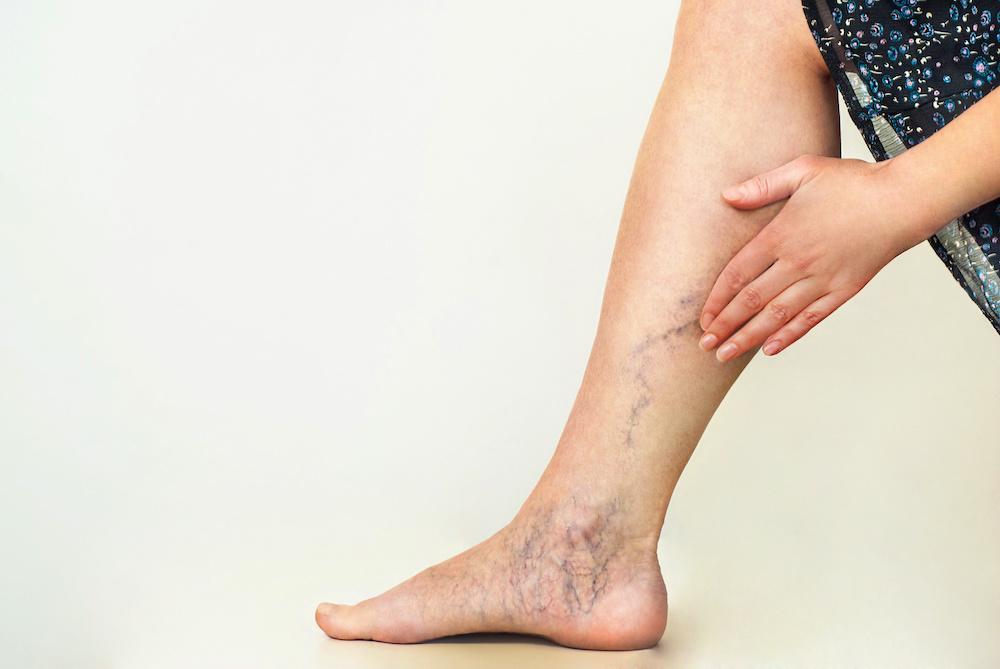
A healthy blood circulation system is essential for preserving general health. The vascular system, which includes arteries, veins, and capillaries, works continuously to transport oxygen and nutrients throughout the body. When this system functions properly, blood flows smoothly and efficiently. However, when circulation becomes impaired, various conditions can develop. One of the most common vascular conditions affecting adults is Varicose veins, which occur when veins become enlarged, twisted, and weakened. Understanding how vascular health influences this condition can help people take preventive steps and maintain better circulatory function over time.
The Role Of The Vascular System
Blood is transported to and from the heart by the vascular system. Arteries deliver oxygen-rich blood to organs and tissues, while veins return deoxygenated blood to the heart. Veins in the legs work particularly hard because they must push blood upward against gravity. Small valves inside these veins ensure that blood flows in one direction and does not move backwards.
When these valves weaken or become damaged, blood can begin to pool inside the veins. This increased pressure causes veins to stretch and become visible beneath the skin. Maintaining vascular health is therefore essential for preventing the development of circulation-related problems. Strong veins, healthy valves, and good blood flow all contribute to a well-functioning circulatory system.
Factors That Affect Circulatory Health
Several lifestyle and biological factors influence how effectively the vascular system operates. Physical inactivity, prolonged standing or sitting, excess body weight, and ageing can all place additional stress on veins. Over time, these pressures may weaken vein walls and reduce the efficiency of blood flow.
Genetics can also play a role. Circulation-related problems may be more common in people with a family history of vein disorders. Hormonal changes during pregnancy or ageing may further contribute to vein weakness. Because of these factors, maintaining healthy circulation through lifestyle habits becomes an important preventive measure.
How Vascular Health Helps Prevent Varicose Veins?
Maintaining strong and flexible veins is key to preventing circulation problems. Frequent exercise increases blood flow by producing muscular contractions that force blood through the veins. Activities such as walking, swimming, and cycling help stimulate circulation and reduce pressure in the legs.
A balanced diet also supports vascular health. Nutrients such as fibre, vitamins, and antioxidants contribute to the strength of blood vessels and help maintain healthy blood pressure. Staying hydrated ensures that blood remains fluid and circulates efficiently.
Vein strain, particularly in the lower body, can be lessened by maintaining a healthy body weight. When pressure on the veins decreases, the likelihood of developing Varicose veins may also decline. Preventive habits, therefore, play a significant role in preserving long-term vascular health.
The Connection Between Digestive Health And Circulation
Although the vascular system is primarily associated with blood flow, other areas of health can indirectly affect circulation. For instance, digestive conditions and abdominal pressure may influence how blood moves through certain veins in the body.
Specialists in Gastroenterology study the digestive system and related organs. While their focus is primarily on gastrointestinal health, their work often intersects with vascular conditions that affect organs within the digestive tract. Understanding these connections helps healthcare professionals identify broader patterns that may influence overall circulatory health.
Specialised Medical Fields And Vascular Conditions
Some vascular issues occur in areas of the body that require specialised medical expertise. Conditions affecting veins in the rectal or anal region are often examined through the field of PROCTOLOGY, which focuses on disorders of the lower digestive tract.
Although this field addresses a different set of conditions than those found in the legs, it highlights how blood vessels throughout the body must function efficiently to maintain health. Specialists in this area understand how pressure, circulation, and vein function interact in different parts of the body.
Preventive Strategies For Better Vascular Health
Preventing vascular conditions often involves simple lifestyle practices that promote consistent circulation. One of the best strategies to maintain blood flow throughout the body is still regular exercise. Movement helps activate muscles that assist veins in returning blood to the heart.
Vein pressure can also be lessened by avoiding extended periods of sitting or standing still. Taking short walking breaks, stretching, or elevating the legs periodically can help improve blood flow.
Wearing comfortable clothing that does not restrict circulation and choosing supportive footwear may also contribute to healthier veins. In some cases, doctors may recommend compression garments that gently support veins and assist with circulation.
Routine medical checkups can further help identify early signs of vascular concerns before they become more serious. Early attention allows healthcare providers to suggest preventive steps or treatments that protect long-term circulatory health.
Conclusion
Vascular health plays a fundamental role in maintaining efficient blood circulation and preventing a variety of vein-related conditions. Healthy veins and properly functioning valves ensure that blood flows smoothly throughout the body. By adopting active lifestyles, maintaining balanced nutrition, and monitoring circulatory health, individuals can significantly reduce the risk of developing vein disorders. Understanding the importance of vascular health empowers people to take proactive steps toward prevention. With consistent care and attention to overall wellness, the circulatory system can continue to function effectively and support long-term health.

