
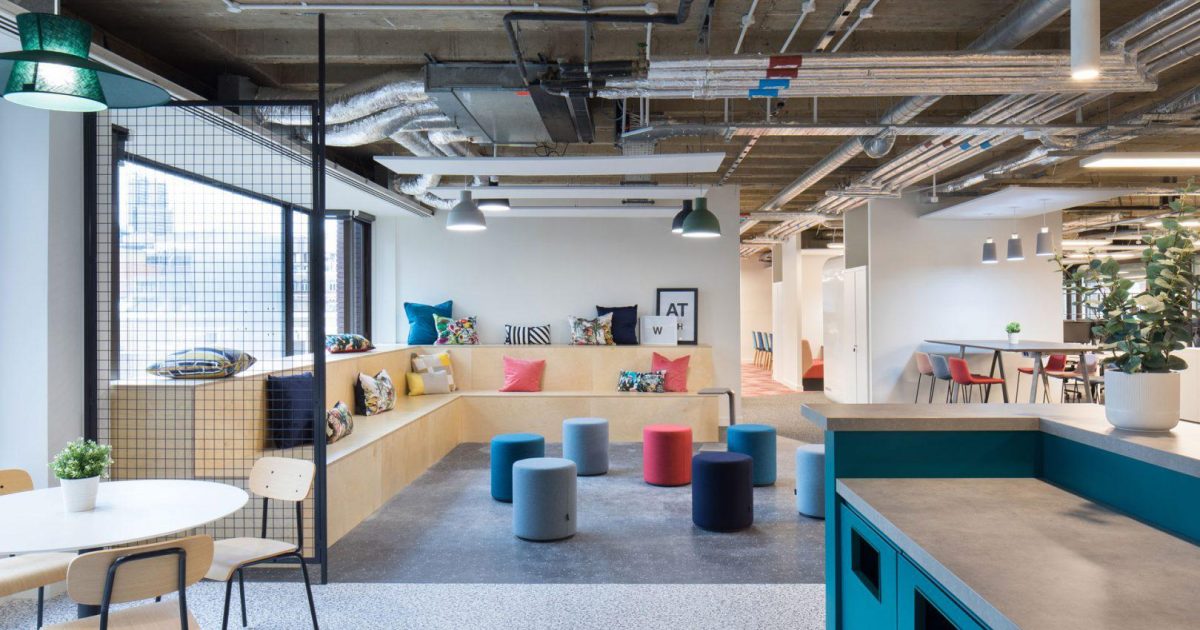
Modern lifestyles are changing rapidly as people search for greater convenience, comfort, and adaptability in their everyday routines. Traditional ideas about where people should live and work are evolving because technology, personal priorities, and work habits have shifted significantly over the past few years. More individuals now value environments that can support both productivity and relaxation without requiring strict separation between professional and personal life. This growing interest in flexibility is influencing housing trends, office designs, and even urban development across many regions.
Changing Expectations Around Daily Living
People today want spaces that can serve multiple purposes throughout the day. A dining table may become a workspace during office hours and return to being a family gathering spot in the evening. Homes are increasingly being designed with adaptable layouts that support changing needs without requiring major renovations.
The popularity of remote and hybrid work models has encouraged this transition. Many workers discovered that they could remain productive outside traditional office environments, leading to a stronger demand for homes with dedicated study areas, quiet corners, and comfortable work setups. Discussions around these changes frequently appear in viral news Australia, where lifestyle experts and urban planners analyze how modern living habits are evolving.
Flexible Spaces Support Better Work Life Balance
One of the major reasons flexible living spaces are becoming popular is the desire for improved work life balance. Long commutes and rigid office schedules can create stress and reduce personal time. Flexible environments allow people to organize their routines in ways that better support mental wellbeing and family responsibilities.
Modern apartments and homes now often include shared work lounges, outdoor relaxation areas, and multifunctional rooms that can easily adapt to different activities. These designs create a smoother connection between work and personal life while helping residents remain productive without feeling isolated.
Many australian service providers are also responding to these preferences by offering solutions such as smart home technology, space saving furniture, and customized interior designs that improve flexibility within smaller living areas.
Urban Areas Are Adapting to New Lifestyle Demands
Cities are changing as more residents seek neighborhoods that combine residential comfort with professional convenience. Mixed use developments featuring cafes, coworking spaces, fitness centers, and entertainment venues within walking distance are becoming increasingly desirable.
Urban planners understand that people no longer want to spend excessive time traveling between different parts of the city for work, shopping, and leisure. Instead, many individuals prefer communities where daily necessities are easily accessible. Publications such as melbourne digital magazine often highlight modern developments that focus on flexible urban living and smarter city planning.
The growing popularity of compact yet efficient living arrangements also reflects changing priorities. Rather than focusing solely on larger homes, many buyers and renters now value functionality, accessibility, and convenience.
Technology Continues to Shape Modern Living
Technology has played a major role in supporting flexible lifestyles. Reliable internet connections, cloud based communication tools, and digital collaboration platforms allow people to work from almost anywhere. As a result, homes, cafes, and shared coworking environments are becoming alternative workplaces for many professionals.
Smart home systems are also improving convenience by automating lighting, security, temperature control, and entertainment features. These innovations help create environments that can quickly transition between relaxation and productivity.
Many lifestyle publications, including australia city life blog, regularly discuss how technology is influencing interior design trends and reshaping modern housing expectations. Flexible living is no longer viewed as temporary. It is increasingly becoming a long term lifestyle preference.
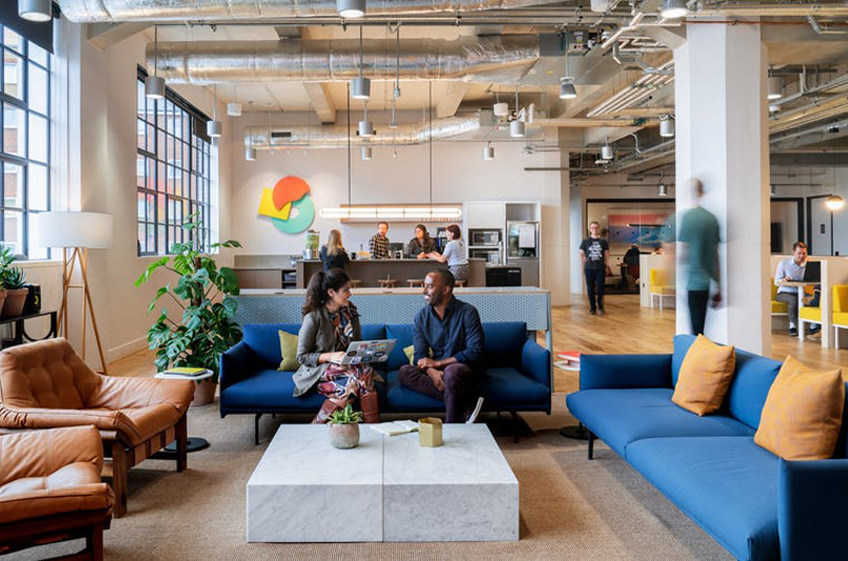
Younger Generations Prefer Adaptability
Younger generations are especially interested in flexible lifestyles because they value experiences, mobility, and convenience more than rigid structures. Many professionals today prioritize freedom in both their careers and personal lives, leading them to choose housing and working arrangements that support adaptability.
Coworking spaces, short term rentals, and multifunctional apartments appeal to individuals who may relocate frequently or prefer less permanent living arrangements. This flexibility allows them to pursue career opportunities, travel, and lifestyle changes more easily.
At the same time, employers are recognizing the benefits of flexible working environments. Companies that offer hybrid schedules and adaptable office spaces often experience higher employee satisfaction and improved productivity.
Flexible Design Encourages Better Use of Space
Another important advantage of flexible living and working spaces is efficient space utilization. In growing urban areas where property prices continue to rise, maximizing available space has become increasingly important.
Designers are introducing creative solutions such as foldable furniture, sliding partitions, hidden storage systems, and convertible rooms that allow one area to serve multiple purposes. These innovations help residents maintain comfort and organization without requiring large properties.
Conversations surrounding australian daily life frequently include discussions about housing affordability and the importance of practical interior design. Flexible spaces provide a realistic solution for people seeking both functionality and comfort in modern cities.
Conclusion
The growing preference for flexible living and working spaces reflects a broader shift in how people approach modern life. Convenience, adaptability, technology, and work life balance are influencing the design of homes, offices, and entire communities. As remote work and digital connectivity continue to expand, flexible environments will likely become even more important in shaping future lifestyles.
People no longer want spaces that serve only one purpose. Instead, they are looking for environments that can evolve with their changing routines and priorities. This trend is redefining modern living and encouraging more thoughtful approaches to housing, urban planning, and workplace design.


